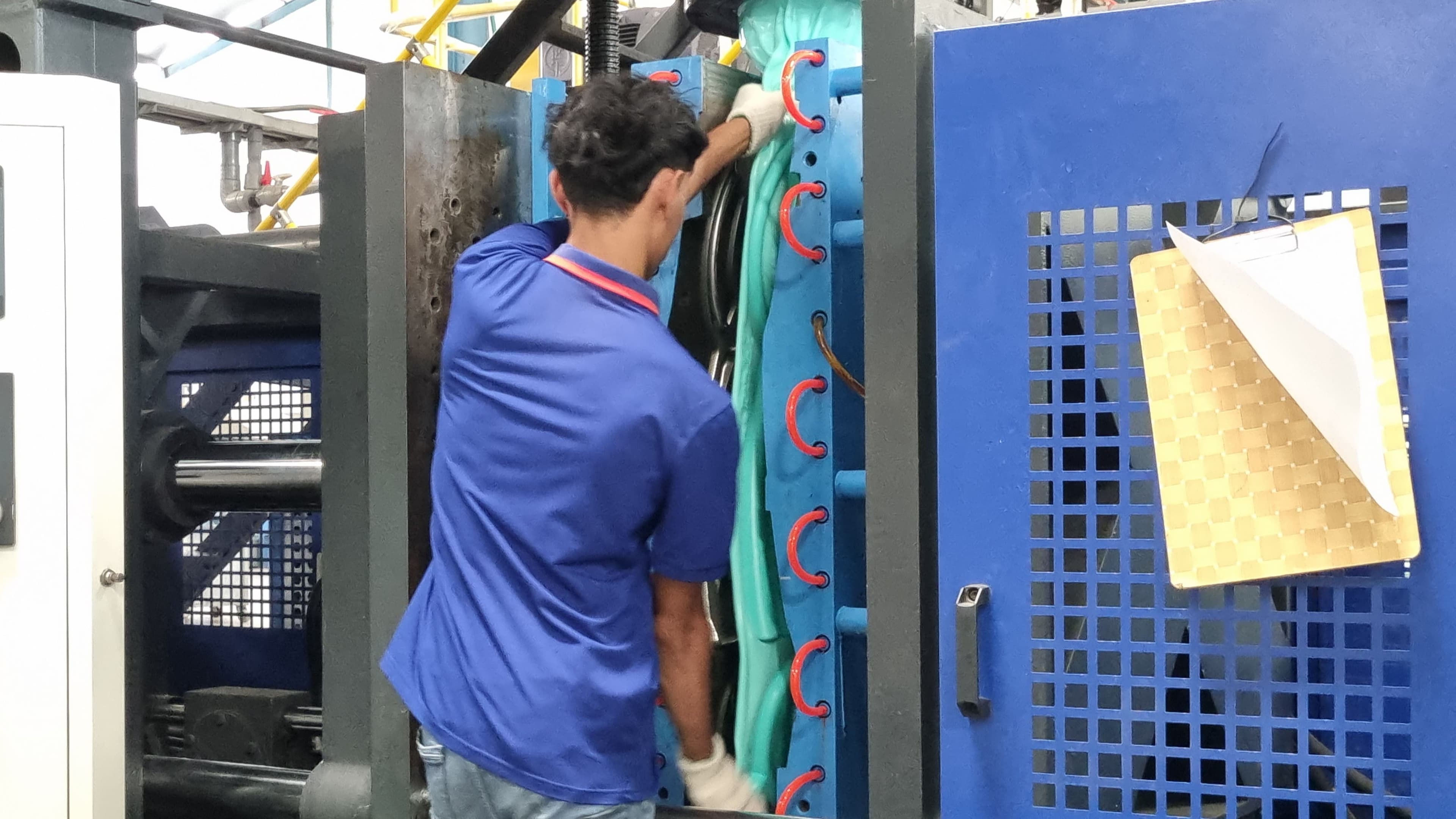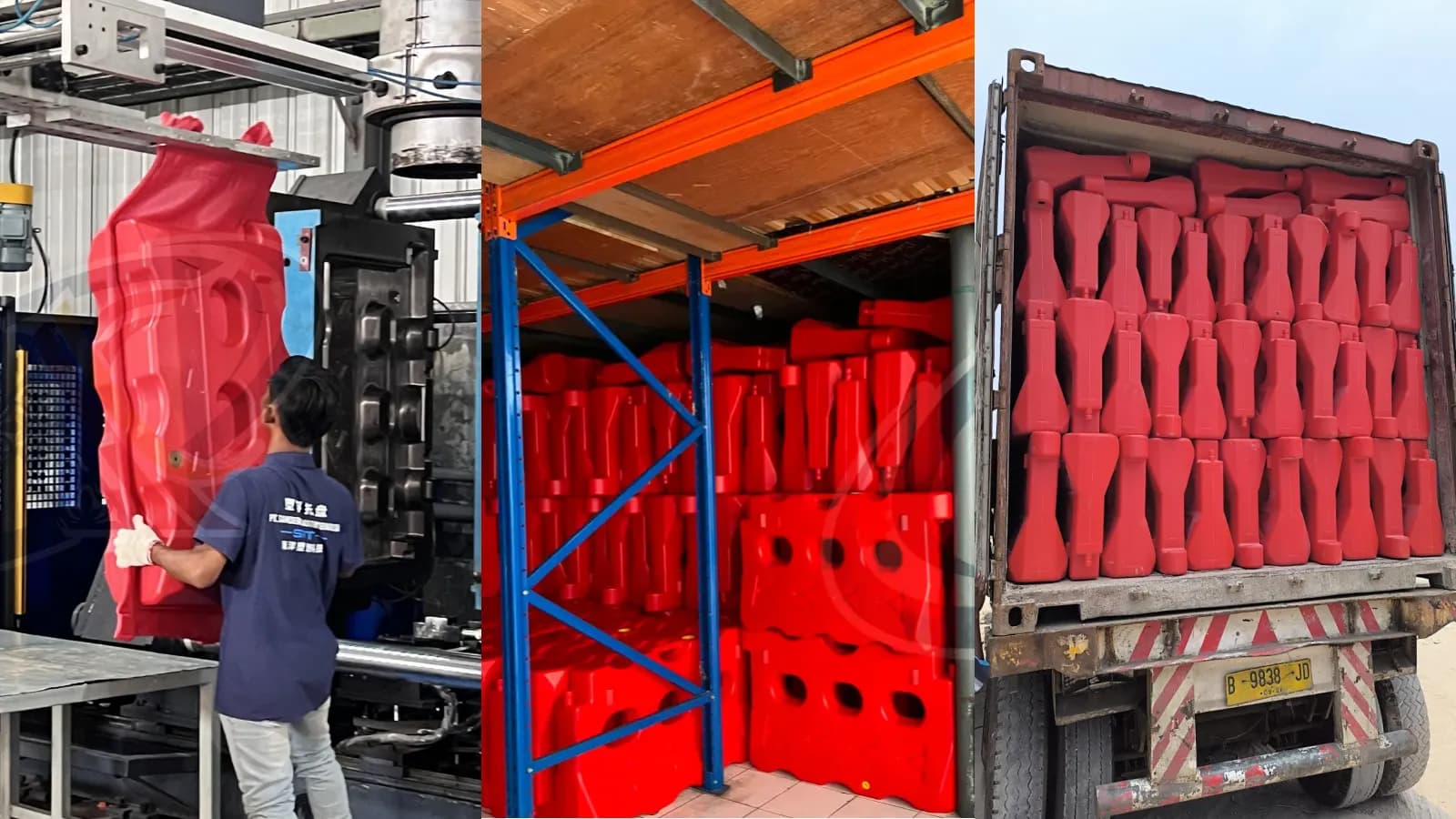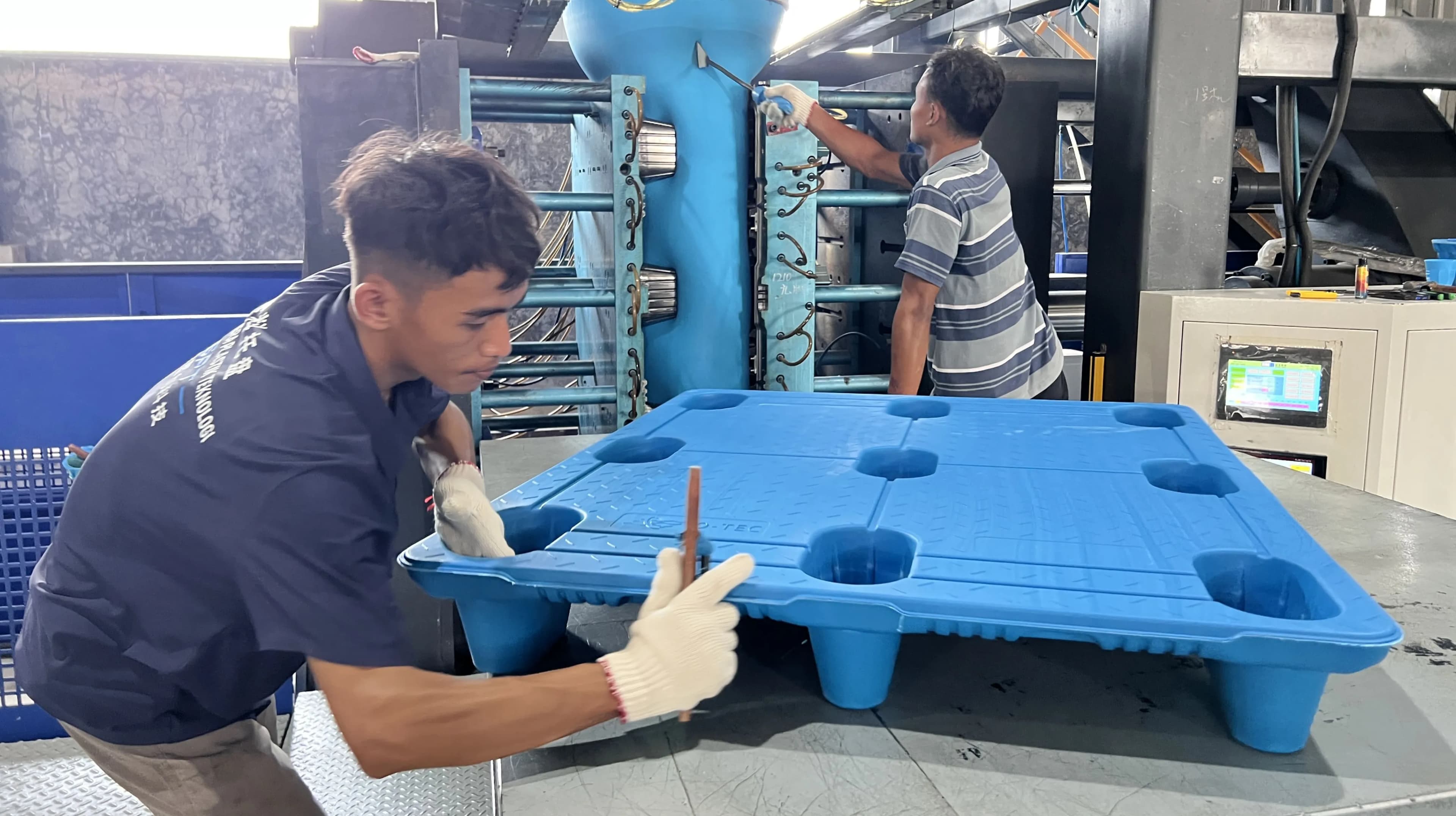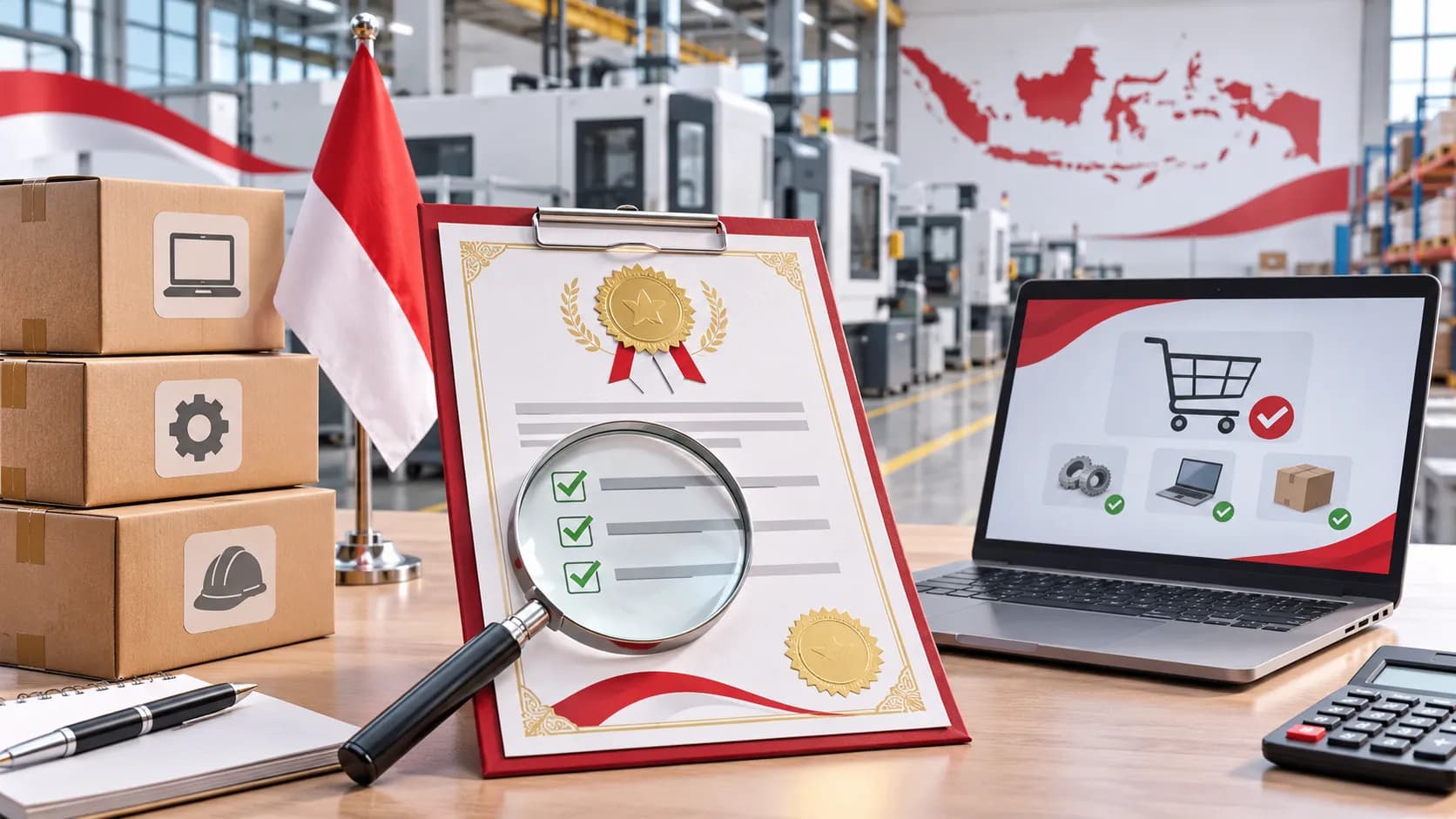
In goods procurement, a TKDN certificate is one of the documents frequently requested, particularly for government projects, state-owned enterprises, and institutions that prioritize the use of domestic products.
This certificate indicates the proportion of domestic content in a product based on applicable calculation regulations. The information helps procurement teams understand the extent to which a product involves components and manufacturing processes in Indonesia.
For companies and suppliers, understanding TKDN certificates is important. In addition to knowing the document's purpose, buyers also need to understand how to check TKDN, interpret the stated values, and ensure that the certificate matches the product they intend to purchase.
Understanding TKDN Certificates and Their Purpose
TKDN stands for Tingkat Komponen Dalam Negeri, or Domestic Component Level, which refers to the proportion of domestic content in goods or services calculated according to government regulations.
Meanwhile, a TKDN certificate is an official document containing the calculated domestic content value of a product or service. The certificate is issued through a certification process administered by the Indonesian Ministry of Industry.
In simple terms, TKDN indicates the proportion of domestic content, while the TKDN certificate serves as the document recording that value.
For example, an industrial product is manufactured in Indonesia using raw materials, labor, and production facilities involving domestic resources. These components may be included in the TKDN assessment in accordance with applicable regulations.
The calculation results are then expressed as a percentage.
A TKDN certificate can be used as a supporting document in goods procurement, particularly when buyers require information about the product's domestic content.
It is important to note that a TKDN certificate is different from a product quality testing certificate. A TKDN certificate explains domestic content and does not directly demonstrate a product's strength, durability, or safety.
What Factors Affect TKDN Values?
The TKDN value is not determined solely by the location of the factory. Several elements are calculated to determine the proportion of domestic content in a product.
Under the Indonesian Minister of Industry Regulation Number 35 of 2025, TKDN calculations for goods include the following three main elements.
1. Raw Materials and Components
Raw materials are an important part of the TKDN calculation.
Materials used in production are assessed based on their origin and domestic content. Products manufactured in Indonesia do not necessarily use entirely locally sourced raw materials.
Therefore, having a factory in Indonesia does not automatically result in a TKDN value of 100%.
2. Direct Labor
Workers directly involved in production activities are also included in the assessment.
The calculation considers regulations concerning Indonesian workers and the implementation of production activities.
3. Indirect Factory Costs
Another element relates to production activities and facilities, including investment conditions and the implementation of manufacturing operations in Indonesia.
These three elements are calculated using predetermined weights and regulations. For certain products, additional provisions may apply regarding intellectual capabilities or development activities that meet the requirements.
Thus, the TKDN value is the result of a calculation based on official regulations, not a figure that sellers can determine themselves.
How to Check TKDN Certificates Through the Ministry of Industry
TKDN certificates can be checked online through the official services of the Indonesian Ministry of Industry. Buyers do not have to rely solely on certificate copies provided by suppliers.
Here is how to check TKDN information for registered products.
1. Open the Official TKDN Website
Visit the Ministry of Industry's Center for Increasing the Use of Domestic Products website at:
The website provides information on TKDN certificates, regulations, and domestic product data.
2. Go to the Certificate Menu
Select the Sertifikat (Certificate) menu to open the document search page.
You can search for TKDN certificates for goods, industrial services, or other documents according to your needs.
For physical product purchases, select the Sertifikat TKDN Barang (TKDN Certificate for Goods) category.
3. Enter the Product or Company Name
Use the search field to enter the available information.
Searches can be conducted using the company name, product name, or certificate number.
If searching by product name returns too many results, use the brand or model information to narrow the search.
4. Review the Search Results
Once the results appear, check the company name, product type, brand, model, and registered TKDN value.
Make sure the information matches the product being checked.
5. Check the Status and Validity Period
Review the certificate's issuance date and validity status.
Under the Indonesian Minister of Industry Regulation Number 35 of 2025, TKDN certificates issued under these provisions are valid for five years from the date of issuance.
For certificates issued under previous regulations, refer to the validity period stated on the document.
6. Compare with Documents from the Supplier
The final step is to compare the information in the Ministry of Industry's system with the certificate or documents provided by the supplier.
This comparison is important because one company may manufacture several types of products with different TKDN values.
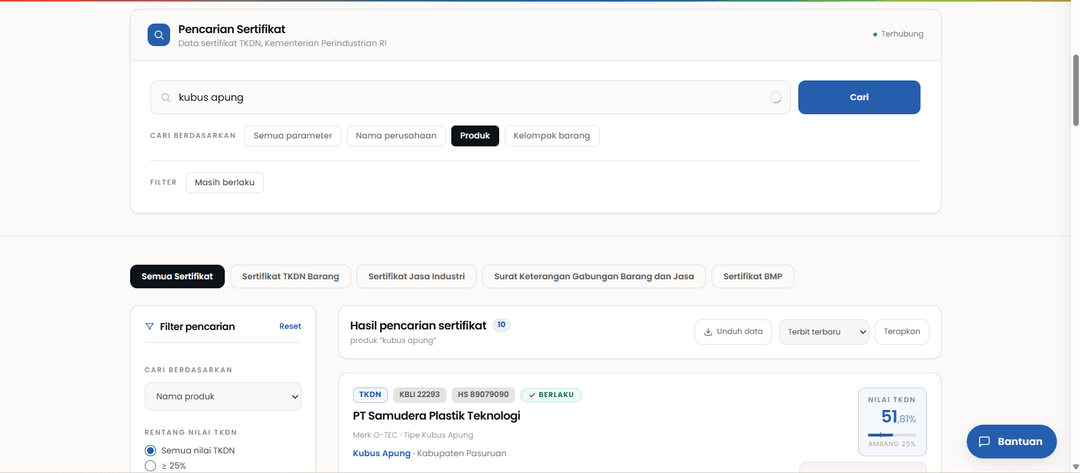
If the required information cannot be found, buyers can request the certificate number or additional details from the manufacturer for further verification.
How to Read TKDN Values Correctly
After finding the certificate, the next important part to understand is the TKDN value expressed as a percentage.
For example, a product with a TKDN value of 50% has a calculated domestic content level of 50% based on the applicable assessment method.
However, this figure does not necessarily mean that exactly half of its raw materials come from Indonesia.
TKDN values may involve several assessment elements. Therefore, the final result should be interpreted as an overall value according to the calculation method used.
In addition to the percentage, several details on the certificate should be checked, including the company name, product type, brand, model, specifications, and certificate validity dates.
For example, a manufacturer may offer several product variants with different dimensions or specifications. Buyers need to ensure that the ordered variant is included within the certificate's scope.
This is important in goods procurement because the specifications of the products received must match the documents used.
The Role of TKDN Certificates in Goods Procurement
The use of domestic products is one of the priorities in government goods and services procurement.
Through Presidential Regulation Number 46 of 2025, which amended the government goods and services procurement regulations, the use of domestic products is regulated according to priority order and product availability.
For industrial products, initial priority is given to domestic products with a TKDN value of at least 25%, provided that products with a combined TKDN and Company Benefit Weight (BMP) value of at least 40% are available.
If products in this priority group are unavailable or their production capacity is insufficient, the regulations establish the next order of preference for domestic products.
This means procurement regulations cannot simply be interpreted as requiring all products to have a minimum TKDN value of 40%.
TKDN certificates help procurement teams verify whether products meet applicable domestic content requirements.
For buyers, these certificates provide several benefits:
They make it easier to verify product domestic content information.
They serve as supporting documents when procurement requires TKDN certification.
They help compare products based on their registered TKDN values.
They support the implementation of domestic product utilization policies.
For manufacturers, TKDN certification can also serve as documentation of domestic resource involvement in the products they manufacture.
Nevertheless, product selection must still consider technical specifications, quality, price, supply capacity, and the requirements stated in procurement documents.
Differences Between TKDN, BMP, and Domestic Products
In procurement activities, the terms TKDN, BMP, and domestic products are often mentioned together. They are related but have different meanings.
TKDN (Domestic Component Level)
TKDN indicates the proportion of domestic content calculated according to the prescribed assessment elements and methods.
BMP (Company Benefit Weight)
BMP is a benefit rating awarded to businesses based on certain criteria related to their contributions in Indonesia.
BMP is calculated separately and may be taken into account up to a maximum of 15%, in accordance with applicable regulations.
Domestic Products
Domestic products are goods or services that meet the legal definition of domestic products under applicable laws and regulations.
Domestic products do not always have the same TKDN value. Therefore, being manufactured in Indonesia should not automatically be equated with holding a particular TKDN certificate.
For example, if a product has a TKDN value of 30% and a BMP value of 12%, their combined value is 42%.
This calculation only illustrates the addition of TKDN and BMP. In procurement, its application must still comply with the relevant regulations and product requirements.
Do All Products Require TKDN Certification?
Not all products sold in Indonesia are required to have a TKDN certificate.
Certification obligations and requirements depend on the type of industry, applicable regulations, and the requirements of specific procurement activities or business operations.
Products manufactured in Indonesia also do not automatically have TKDN certificates. To obtain a certificate, businesses must follow the certification procedures established under applicable regulations.
In government procurement, information about domestic products and TKDN values forms part of the considerations in product selection.
Meanwhile, for ordinary commercial purchases, TKDN certificates are not always a primary requirement.
Even so, domestic content information can still be considered when companies want to increase their use of locally produced goods.
Examples of TKDN Application in Industrial Products
In industrial goods procurement, TKDN information can serve as supporting documentation alongside product specifications and test results.
One example involves products made from High Density Polyethylene (HDPE), which are used for various construction, logistics, and infrastructure applications.
The Karpinus Floating Cube product page lists a TKDN value of 51.81%.
Floating cubes are modular HDPE products used to build floating docks, floating bridges, fish farming platforms, and other water-based facilities.

The TKDN value shown on the product page can provide preliminary information for buyers looking for domestically manufactured industrial products.
However, if the certificate is required as an administrative document for procurement, the stated value must still be compared with the official certificate and the products covered by it.
The TKDN value of one product also does not automatically apply to every other product manufactured or marketed by the same company.
What to Check Before Procurement
In addition to checking TKDN values, buyers need to ensure that products meet project requirements.
The following items should be reviewed before placing an order.
Product and Specification Compatibility
Make sure the product name, brand, model, dimensions, or specifications match the TKDN documents being used.
Certificate Status
Check the certificate's validity period and authenticity through the official Ministry of Industry service.
Manufacturer and Supplier Identity
The company named on the certificate may differ from the distributor or supplier. If so, make sure the supply relationship and product compatibility can be clearly explained.
Product Availability
For large-volume purchases, check supply capacity and delivery schedules to ensure they meet project requirements.
Other Supporting Documents
A TKDN certificate does not replace every procurement requirement. Where necessary, prepare technical specifications, test reports, quotations, and other administrative documents.
Conducting these checks early helps reduce the risk of document discrepancies once the purchasing process begins.
Conclusion: The Importance of Verifying TKDN Certificates
A TKDN certificate is a document stating the domestic content value of a product based on the applicable calculation and certification procedures.
It helps procurement teams obtain information about a product's domestic content while supporting the use of domestic products in accordance with regulations.
TKDN certificates can be checked through the official Ministry of Industry service by searching for the product, company, or certificate number.
Before procurement, ensure that the TKDN value, product identity, and certificate validity match the goods required.
For industrial and project needs, PT Karya Pilar Nusantara provides various products, including floating cubes, road barriers, HDPE pallets, and other industrial materials. Product specifications and supporting documents can be discussed according to the product type and procurement requirements.