In project implementation, the availability of goods is one of the things that needs to be considered from the planning stage. Materials that arrive late, incorrect order quantities, or product specifications that differ from requirements can delay work in the field.
Therefore, choosing an industrial goods supplier should not be based solely on the lowest price.
For example, a contractor who needs road barriers for project safety must ensure that the dimensions, quantity, and delivery schedule are appropriate. The same applies to a company ordering plastic pallets for its warehouse. The type of pallet purchased must match storage requirements and the equipment being used.
Although the goods required may differ, the problems buyers face are actually quite similar: can the supplier provide the right products, in the required quantities, and deliver them according to the agreed schedule?
This is where the role of a supplier becomes important. In addition to providing goods, suppliers also need to provide product information, order certainty, and support throughout the procurement process.
So, how do you choose a supplier that can be trusted for industrial and project requirements?
What Is an Industrial Goods Supplier?
An industrial goods supplier is a company or party that provides various types of goods to support production activities, operations, construction, and project requirements.
The goods supplied are not always raw materials. In practice, suppliers may also provide finished products, machine components, warehouse equipment, construction materials, and supporting work equipment.
For example, a manufacturing company needs pallets to store its finished products. The company can make purchases through a supplier that provides products with the required capacity and dimensions.
Meanwhile, a contractor working on a road project may need traffic barriers, safety equipment, or supporting construction materials.
In business relationships, suppliers may obtain goods directly from manufacturers or through other supply networks. Some companies also carry out manufacturing activities while supplying their products to customers.
This means that the services and capabilities of each supplier are not always the same.
A more detailed explanation of these differences can be found in the article Suppliers, Distributors, and Manufacturers: What Are the Differences in the Supply Chain?.
Why Is Supplier Selection Important for Project Continuity?
Project work usually takes place according to a planned schedule and a series of stages.
Each stage requires certain materials or equipment. When goods are not available when needed, subsequent work may also be delayed.
For example, a warehouse facility construction project requires pallets to support storage activities. If the pallets ordered do not match the required dimensions or capacities, the company may have to adjust its storage arrangements or place another order.
Similar situations can also occur in construction projects when delivered materials do not meet the required work specifications.
These problems are not limited to receiving the wrong goods. Additional shipping costs, inspection time, and schedule adjustments can also become burdens for the company.
Therefore, a reliable supplier needs to be evaluated based on several factors at once, including product quality, supply capacity, delivery timeliness, and the ability to handle problems.
Price remains important, but it should not be the only consideration.
Types of Industrial Goods Commonly Needed for Projects
Industrial goods requirements vary considerably because each company has different activities and operational conditions.
Some goods are used in production processes, others support storage and transportation, while others serve as infrastructure equipment.
Several product categories that are commonly needed include:
Construction Materials and Equipment
This category includes various goods used in construction and project area arrangements.
Examples include building materials, infrastructure support components, road barriers, and work area safety equipment.
For traffic management or the separation of work zones, for example, contractors may use HDPE road barriers according to the function and safety requirements of the location.
The selection process needs to consider site conditions, barrier dimensions, and installation methods.
Warehouse and Logistics Equipment
Warehouses require various types of equipment to support goods receiving, storage, and movement.
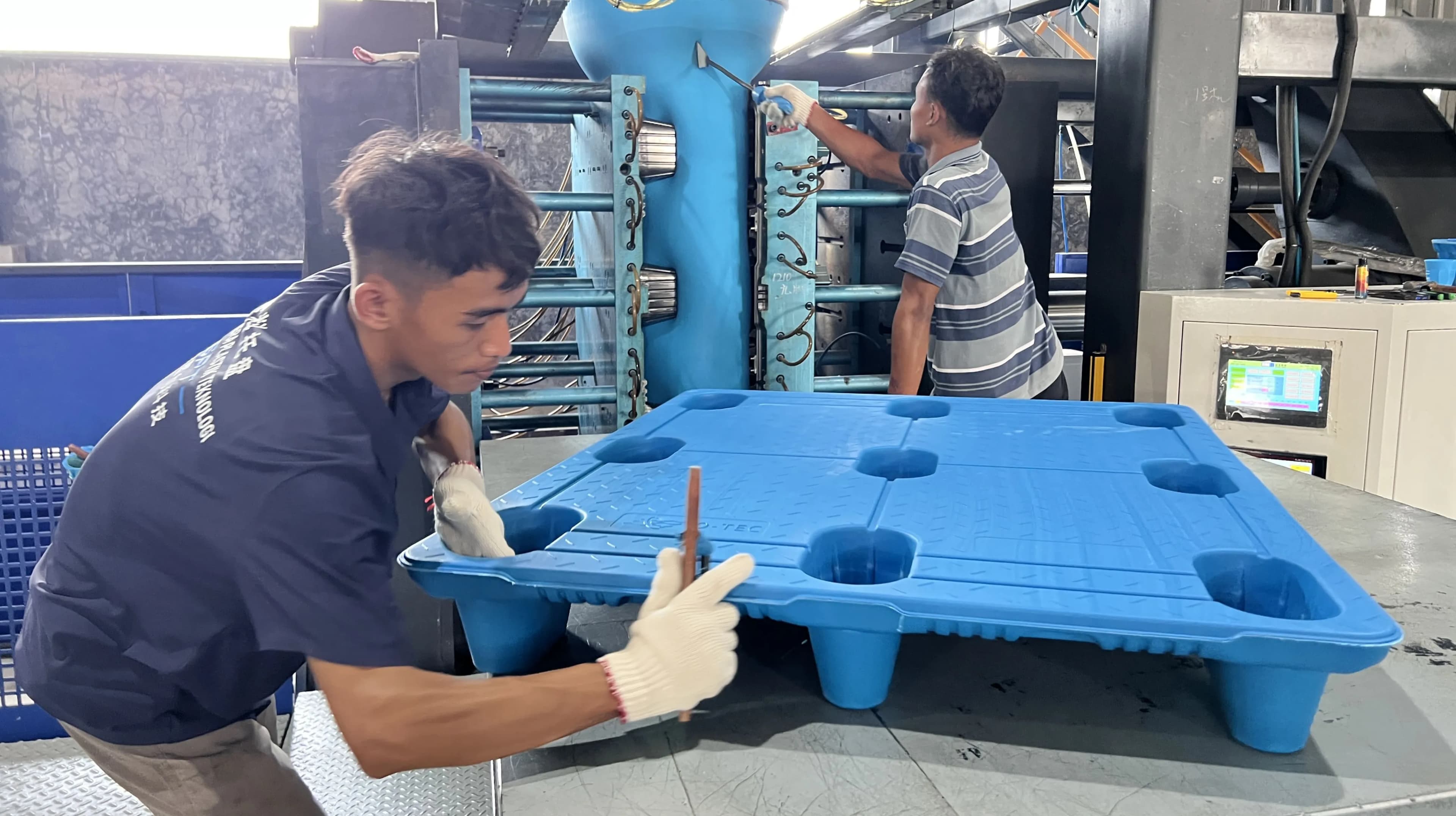
One example is a pallet, which is used as a base for placing goods to make storage and handling processes more organized.
When choosing HDPE pallets, companies need to consider dimensions, static and dynamic load capacities, and compatibility with forklifts or hand pallet trucks.
Pallets with the same dimensions do not necessarily have the same load capacity.
Water Infrastructure Support Products
Work in aquatic environments requires materials with different characteristics from those used in land-based projects.
For the construction of modular docks, floating bridges, or platforms for activities on water, one option that can be used is modular HDPE floating cubes.
Their procurement needs to consider the area size, module configuration, buoyancy capacity, connection accessories, and environmental conditions of use.
Insulation Materials and Industrial Building Requirements
Factories, warehouses, and commercial buildings also require supporting materials, including roof insulation.
Products such as roof insulation are available in different materials, thicknesses, and layer types that need to be matched to building conditions.
Suppliers who understand their product characteristics can help buyers identify the available options before determining order quantities.
Beyond these categories, industrial requirements also include machine components, spare parts, work equipment, and various materials that support production activities.

How to Choose a Reliable Industrial Goods Supplier
Finding a company that sells industrial goods is actually not too difficult. However, identifying a supplier that meets project requirements requires further examination.
Here are several things to consider before establishing a business relationship.
1. Determine the Type and Specifications of the Required Goods
The first step is to make sure the requirements for the goods have been clearly explained.
Before contacting a supplier, a company should prepare information about the product type, dimensions, material, order quantity, and intended use.
For example, a plastic pallet inquiry should not only mention the number of units. Information about dimensions and load capacity is also necessary so the supplier can offer the right product.
The same applies when road barriers are needed. Buyers need to know the desired dimensions, number of units, location of use, and other technical requirements.
The clearer the information provided, the easier it will be for the supplier to understand the buyer's requirements.
2. Check the Company's Legality and Identity
Legal status is one aspect that needs to be checked when choosing an industrial vendor.
The company should have a business identity, address, and contact information that can be verified.
For purchases made on behalf of a business entity, documents such as a Business Identification Number (NIB), Taxpayer Identification Number (NPWP) where relevant, and company information may be requested according to procurement requirements.
The identities listed in quotation documents, invoices, and payment account details also need to be checked to avoid transaction errors.
This verification becomes even more important for large purchases or procurements involving installment payments.
It should be remembered that legal documents alone are not sufficient to prove a supplier's quality. The ability to provide goods and fulfill agreements still needs to be evaluated separately.
3. Make Sure Product Specifications Can Be Verified
Before ordering, request a catalog or technical information about the product to be used.
Some industrial goods require more detailed inspection, especially those with capacity limits or certain safety requirements.
For pallets, for example, buyers need to distinguish between load capacity when goods are stored in a stationary position and capacity when pallets are moved using handling equipment.
Meanwhile, for modular products, dimensions and connection designs need to be considered to ensure they match the intended configuration.
If a project requires specific certifications or test results, request supporting documents that correspond to the offered product.
Do not immediately assume that a product meets a particular standard simply because it uses the same material as another product.
4. Ask About Stock Availability and Supply Capacity
The next thing to check is the supplier's ability to fulfill the order quantity.
For small requirements, goods may be shipped from available stock. However, large orders may require additional preparation or a production schedule.
Therefore, ask whether the goods are available, need to be manufactured first, or require a certain procurement lead time.
For example, if a project requires hundreds of road barrier units, the buyer should confirm how many can be delivered in the first stage and when the remaining goods can be completed.
This information helps companies develop more realistic work schedules.
If delivery is carried out in stages, the quantity and delivery date for each stage should be agreed upon from the beginning.
5. Consider Experience and Service Capabilities
Experience in handling industrial requirements can be an added advantage for a supplier.
Suppliers who are accustomed to serving companies or projects generally understand the importance of specifications, purchasing documents, delivery schedules, and communication between parties.
Prospective buyers can request information about relevant procurement experience, examples of goods previously supplied, or customer references if available and permitted to be shared.
In addition, pay attention to how the supplier responds to questions.
Suppliers who provide clear explanations, are willing to review requirements, and do not rush into making promises tend to be easier to coordinate with.
This does not mean that new suppliers are always less capable. Their actual capabilities still need to be evaluated based on evidence and readiness to fulfill orders.
6. Compare Prices and Delivery Terms
Industrial goods prices can be influenced by several factors, such as specifications, purchase quantities, supply conditions, and delivery locations.
Therefore, when receiving a quotation, check whether the quoted price already includes shipping costs or whether additional charges apply.
Tax provisions, unloading costs, special packaging, and delivery schedules also need to be clarified if they are relevant to the transaction.
Price comparisons are more useful when conducted between products with equivalent specifications and quotation terms.
A product that appears cheaper should not turn out to have different dimensions, capacities, or included components.
7. Check After-Sales Services
A supplier's work does not always end when the goods arrive at the destination.
In certain situations, buyers may need assistance when there are quantity discrepancies, damage during delivery, or questions about product use.
Therefore, ask about complaint-handling procedures, warranty terms if available, and how to request product replacements.
These terms should be explained before the transaction takes place.
This way, both parties have the same understanding of their respective responsibilities.

Documents to Check Before Ordering Goods
In addition to the condition of the goods, administrative completeness also plays a role in the procurement process.
Documents help buyers and suppliers ensure that the ordered products, transaction values, and delivery terms have been agreed upon.
Some documents that are usually required include:
Catalog or technical specifications: contain information about dimensions, materials, capacities, and product characteristics.
Price quotation: explains the offered goods, quantities, prices, quotation validity period, and transaction terms.
Purchase Order (PO): an ordering document that records the goods, quantities, prices, and purchasing requirements.
Invoice: used as a billing document according to the agreed transaction.
Delivery note: accompanies shipments and helps with the inspection of received goods.
Product supporting documents: may include warranties, test results, certificates, or other technical documents if available or required.
For certain projects, goods receipt documents and handover reports are also required as proof of completed delivery.
The required documents are not always the same. Procurement by private companies, construction projects, and government institutions may have different administrative requirements.
Therefore, buyers should communicate their document requirements from the quotation request stage rather than after the goods have been prepared.
How to Compare Quotations from Multiple Suppliers
Requesting quotations from more than one supplier can help companies understand the available product options and purchasing terms.
However, these comparisons need to be carried out carefully.
Imagine two project material suppliers offering goods with the same function.
The first supplier offers a lower unit price but requires a longer delivery time. The second supplier has a slightly higher price but can meet the project schedule and provide the required technical documents.
The most appropriate choice depends on the priorities of the project.
If the goods need to be used soon, delivery certainty may be more important than a small price difference.
To make evaluation easier, companies can use the following comparison table.
| Aspect | What Needs to Be Compared |
|---|---|
| Specifications | Dimensions, materials, capacities, and product suitability |
| Price | Unit price, total order value, taxes, and additional costs |
| Availability | Ready stock or requires a production process |
| Delivery | Estimated time, destination, and shipping method |
| Documents | Catalogs, quotations, and required technical documents |
| Service | Warranties, complaint handling, and after-sales support |
The evaluation process does not always need to use a complicated system.
For routine purchases, a simple table is often enough to help. Meanwhile, for high-value or high-risk procurement, the evaluation process can be made more detailed according to company policy.
Most importantly, quotations should be compared based on the same requirements.
This way, decisions are not determined solely by price figures, but also by product suitability and the supplier's ability to fulfill its obligations.
Common Mistakes When Choosing an Industrial Vendor
One mistake that can easily occur in procurement is placing an order before the specifications have been fully confirmed.
The buyer has already determined the quantity of goods but has not checked the dimensions, model, capacity, or requirements needed in the field.
As a result, the goods that arrive may match the name of the ordered product but may not be suitable for their intended use.
Another mistake is failing to confirm the delivery schedule from the beginning.
Information that goods are available does not necessarily mean the entire order can be shipped immediately. Stock may only be sufficient for part of the requirements, or additional preparation may still be needed for packaging and transportation.
In addition, communication conducted only verbally can lead to different understandings regarding prices, shipping costs, and delivery times.
Therefore, important discussion results should be recorded in quotations, purchase orders, or written agreements that can be reviewed by both parties.
These mistakes can actually be reduced when the purchasing process is carried out with better planning.
PT Karya Pilar Nusantara and Industrial Product Procurement Support
PT Karya Pilar Nusantara is a company engaged in supplying various goods for companies, institutions, and projects in Indonesia.
Through the development of product lines and manufacturing activities, the company provides a range of products used for construction, warehousing, logistics, and infrastructure requirements.
Some of the industrial products available include HDPE road barriers, HDPE plastic pallets, modular floating cubes, and roof insulation.
Each product has different functions and specifications, so its selection needs to be adjusted to the user's requirements.
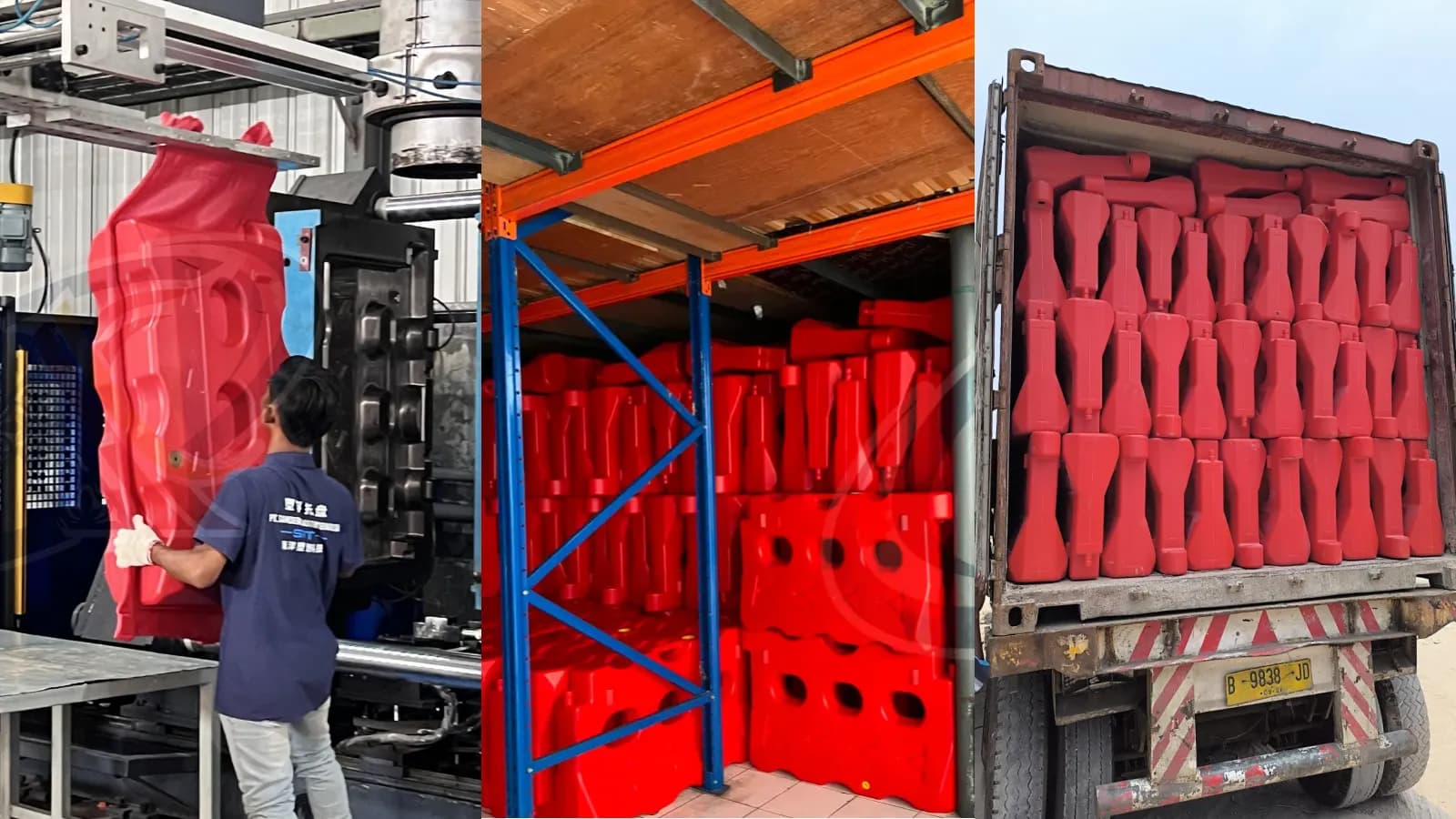
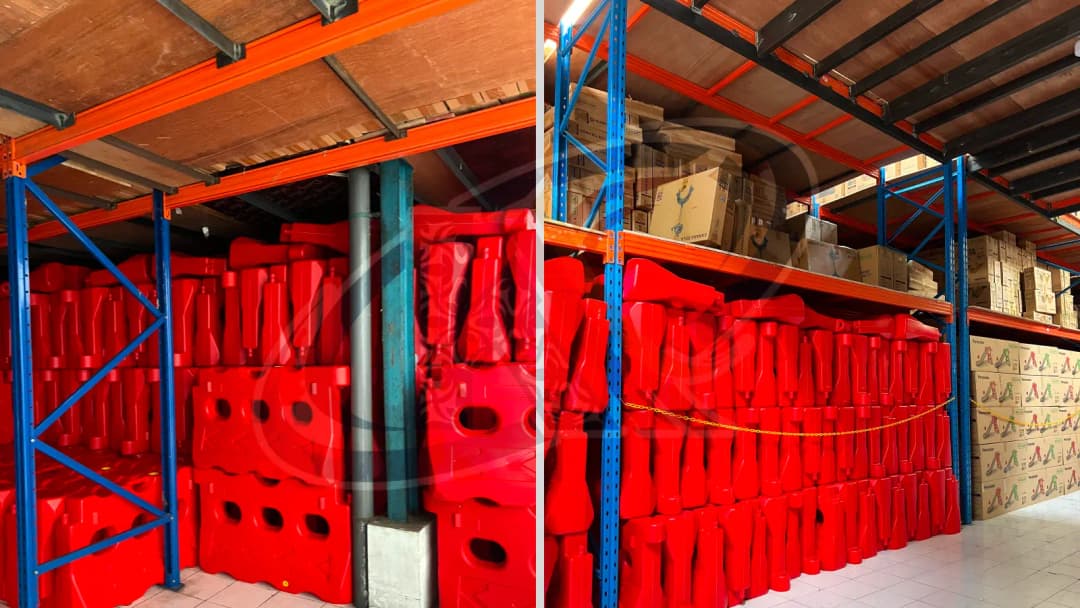
For road barrier procurement, for example, PT Karya Pilar Nusantara has developed the Karpinus Road Barrier product line for project requirements and area management.
The company has also developed a road barrier manufacturing facility in East Java as part of its efforts to strengthen the supply of industrial products. These activities are discussed in the article Strengthening Domestic Industry, PT Karya Pilar Nusantara Officially Operates a Road Barrier Factory.
Meanwhile, for logistics requirements, the company offers a range of HDPE pallets with different dimensions and capacities that can be considered according to their intended use.
The availability of several product categories allows prospective buyers to discuss their goods requirements more specifically, including product options, order quantities, and the technical information needed.
For contractors, distributors, companies, and institutions planning procurement, this can help with the preparation process before making purchasing decisions.
Information about available products can be found through the PT Karya Pilar Nusantara product catalog.
Frequently Asked Questions About Industrial Goods Suppliers
Is an industrial goods supplier the same as an industrial vendor?
In procurement activities, both terms are often used to refer to parties that provide goods to companies.
The term vendor can include providers of goods and services, while supplier is more commonly associated with the supply of products or materials.
However, their usage may differ depending on company practices and the type of transaction.
How can you determine whether a supplier is trustworthy?
Check the company's identity and legal status, product information, procurement experience, and ability to fulfill orders.
It is advisable to request a written quotation and ensure that all purchasing terms can be reviewed before making a payment.
Is purchasing directly from a manufacturer always more advantageous?
Not always.
Purchasing directly from a manufacturer can make it easier to discuss specifications or production quantities for certain types of products. However, distributors or other suppliers may have stock located closer to the buyer.
The best choice still depends on total price, product availability, service, and delivery schedule.
What should be checked before making a down payment?
Make sure the supplier's identity and the recipient's bank account can be verified.
Also check the quotation documents, specifications, quantities, transaction value, delivery schedule, and payment terms.
If the transaction uses a down payment or installment payments, the obligations of both parties should be included in a written agreement.
Can suppliers handle large-volume procurement?
Yes, as long as the supplier has sufficient capacity and supply sources.
Before placing a large order, buyers need to confirm production or inventory capacity, completion schedules, and the possibility of staged deliveries.
Conclusion: Choosing a Supplier Based on Project Requirements
Choosing an industrial goods supplier is an important part of company procurement and project implementation.
The right supplier is not only able to offer a suitable price but can also provide goods according to specifications, fulfill order quantities, and provide clear delivery information.
Company legality, product quality, supply capacity, document completeness, and after-sales service are several factors that need to be considered.
By carrying out checks from the beginning, companies can reduce the risk of ordering errors and prepare their goods requirements in a more organized manner.
For companies, contractors, distributors, and institutions looking for an industrial goods supplier, PT Karya Pilar Nusantara provides various product options to support operational and project requirements.
Visit the official PT Karya Pilar Nusantara website to view product information, learn about specifications, and contact the company's team regarding procurement requirements.